
Skyler’s Portfolio: Welcome!

I build things because I know there’s a better way. That’s the theme of everything I do.
Every company has a pile of "there MUST be a better way" projects. If you’re ready to find the person willing to take those on and get the job done, let’s chat. :)
PRODUCT AND ENGINEERING PROJECTS
I led the transformation of the engineering organization into the highest performing team in SocketLabs’ history.
Email industry-changing features that allow for vendor-agnostic email routing and traffic overflow.
An app-and-hardware combo that lets me control my bed remote from my phone.
Possibly the coolest to-do list I could ever own. This one’s my favorite.
Part 2 of the coolest to-do list I could ever own.
I’m a Figma superfan and I wanted smaller PDF exports. So I built that.
The GADOL thinks typing in information manually builds character…..or something.
I disagree.
LinkedIn’s scheduled posting takes WAY too many clicks. I fixed that.
I’m a Pinterest recipe hoarding raccoon. I struggled to actually put pins to action and get my recipes in one place. No more!
This site’s currently built on Squarespace, but the lack of customization and cost to get basic things like javascript capabilities upsets me. So I’m migrating.
SocketLabs: Engineering Excellence
WHAT DID YOU WALK INTO?
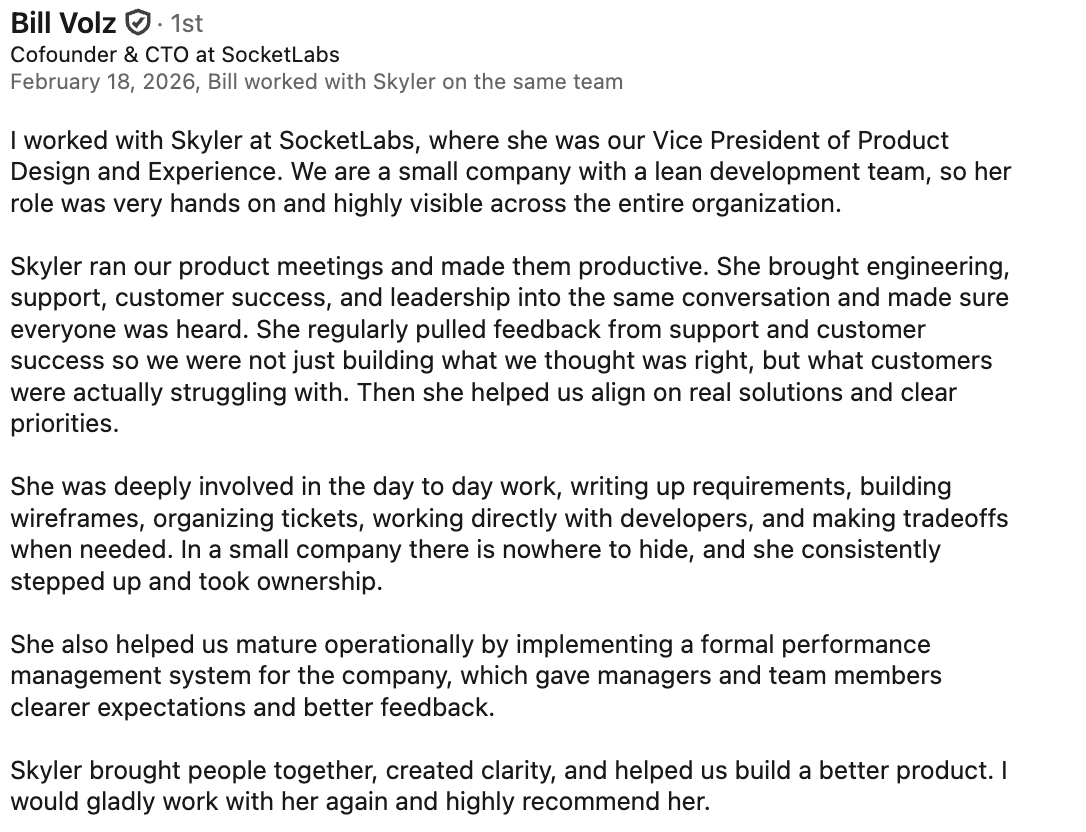
I walked into an engineering team the rest of the company had already written off. They were the black sheep, the group everyone LOUDLY blamed when timelines slipped. Multiple engineers were pulling in different directions with no shared system, and changes simple enough to finish in a few days were taking months to ship. If they ever shipped.
WHAT HAPPENED WHEN YOU WALKED IN?
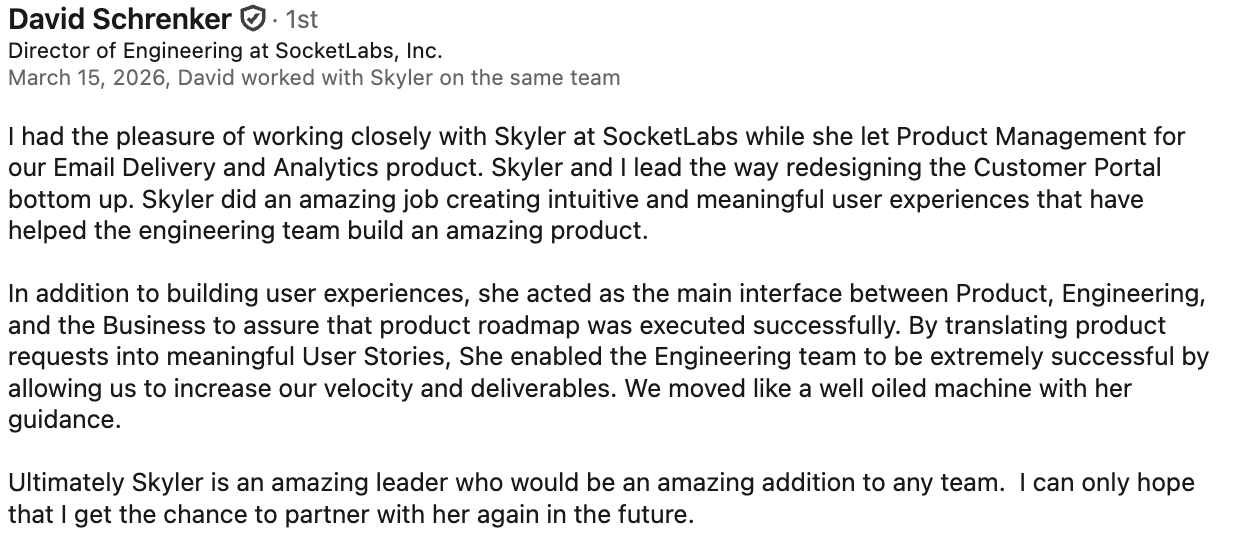
The team had an Agile process already in flight. What they didn't have was trust or clarity, and no process fixes that on its own. Nobody was telling them what to build or why, so they were flying almost entirely blind. I trusted my own engineers instead of second guessing every call they made, and I had no problem being in the technical weeds with them. Once they felt that, they stopped having to defend their thinking to someone who couldn't evaluate it in the first place. Listening to your experts sounds like a soft skill until you watch what happens to a team that has never once had it done for them. I went to bat for them, repeatedly, and once they understood I was there to help and support the entire team, we sparkled. Oh, how we sparkled. I’d go work again with every person on that engineering team in a heartbeat.
I wrote every JIRA ticket with incredible thoughtfulness and care around providing the perfect amount of context: what the end state is, what that specific ticket was building, how to test it, what users wanted to see and experience, and I included video demos where appropriate. I also included Figma visuals (I taught myself Figma and was the sole product designer for over 3 years) in every ticket and demo videos where appropriate. That killed 90% of the back and forth and confusion that typically eat a sprint. The team started shipping some of the best work in the industry, and they shipped it so fast that marketing asked us to slow down.
SocketLabs Email Relay IP Pools and Rule Engine
WHAT IS IT? Email Relay lets you route email across providers, including SendGrid, Mailgun, Sparkpost Bird, SocketLabs' own Hurricane MTA, and generic SMTP, without code changes or risky migrations. Rule Engine runs on top of it. You set rules that route mail based on attributes of the email itself, so different mail can go out through different providers.
WHY DID YOU BUILD IT? Companies sending through multiple vendors couldn't warm IPs across them or move mail between them without turning it into an engineering project. Testing a new ESP meant a migration. So did hedging against an outage. So did threatening to leave for better pricing. I built the version where switching is a couple of clicks.
HOW DID YOU BUILD IT? I taught myself Figma, defined what the feature would look like and how it would operate, designed every flow and page in the video, wrote every JIRA ticket, and got it shipped on time.
Infobip's acquisition announcement names the two things I built by function: vendor-agnostic observability and intelligent routing. That's Rule Engine and Email Relay, straight from their own press release.

Beduino
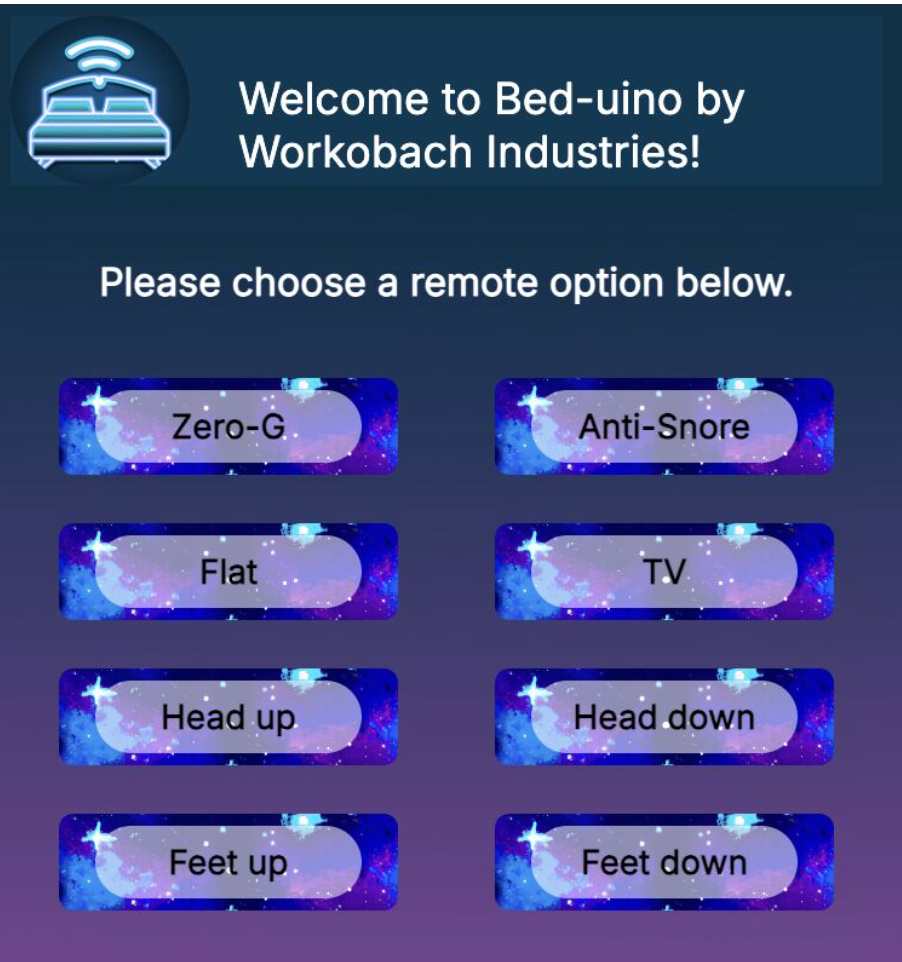
“Skyler, this app design looks like a Geocities page” YES! Thank you for noticing! I had some fun with it, I got a little tired of designing for corporate and had to get a little silly for home use.
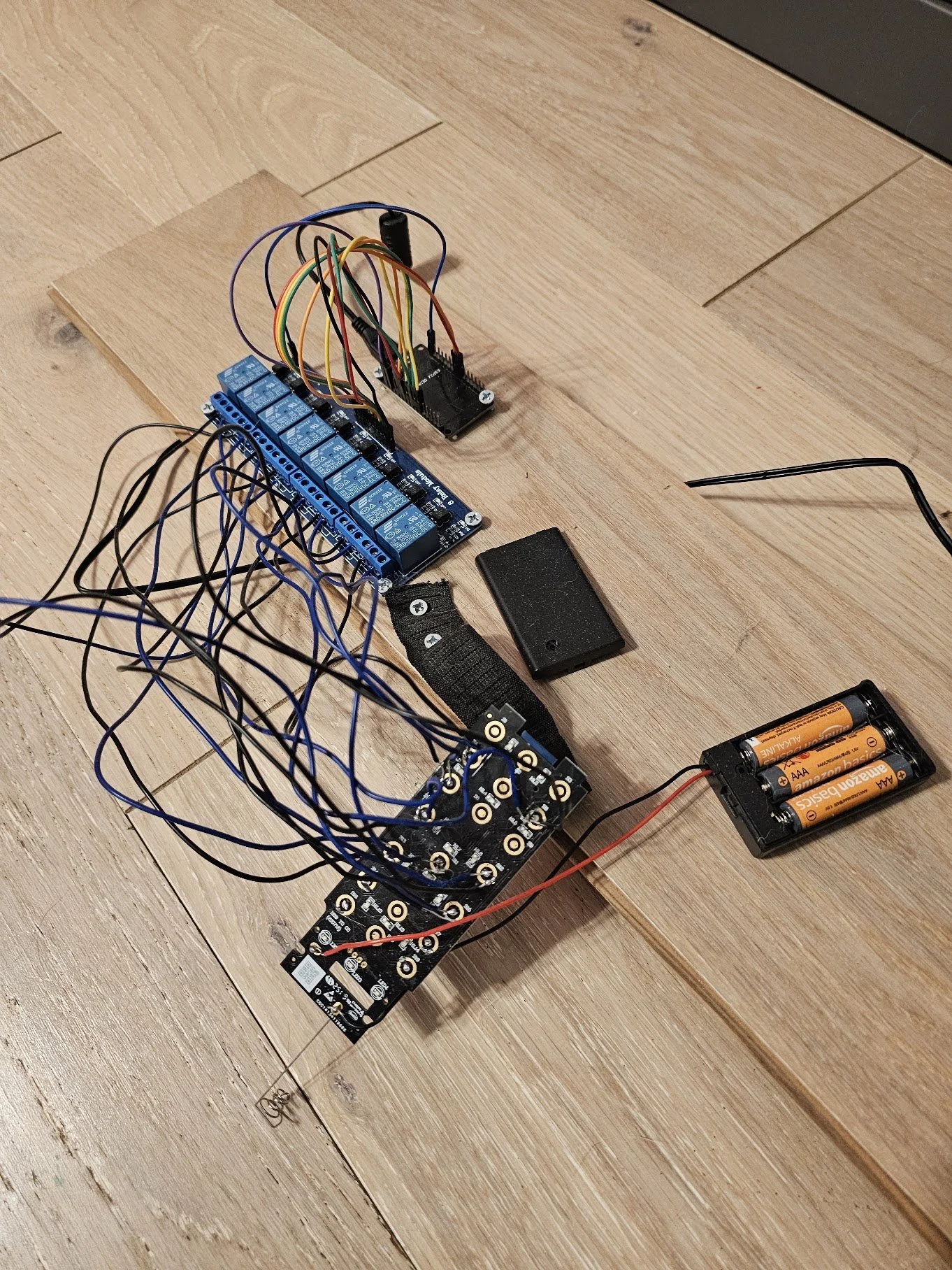
WHAT IS IT? An Arduino and a phone app that control my adjustable bed.
WHY DID YOU BUILD IT? I wanted a phone app for my adjustable bed, and the manufacturer sells one for $600, which is a silly amount of money for a remote control.
HOW DID YOU BUILD IT? I bought an Arduino, learned to wire it, learned to solder, and had Claude write the code that talks to the hardware. The bed answers to my phone now, and the $600 stayed in my wallet. :)
Chorelette: To-Do side
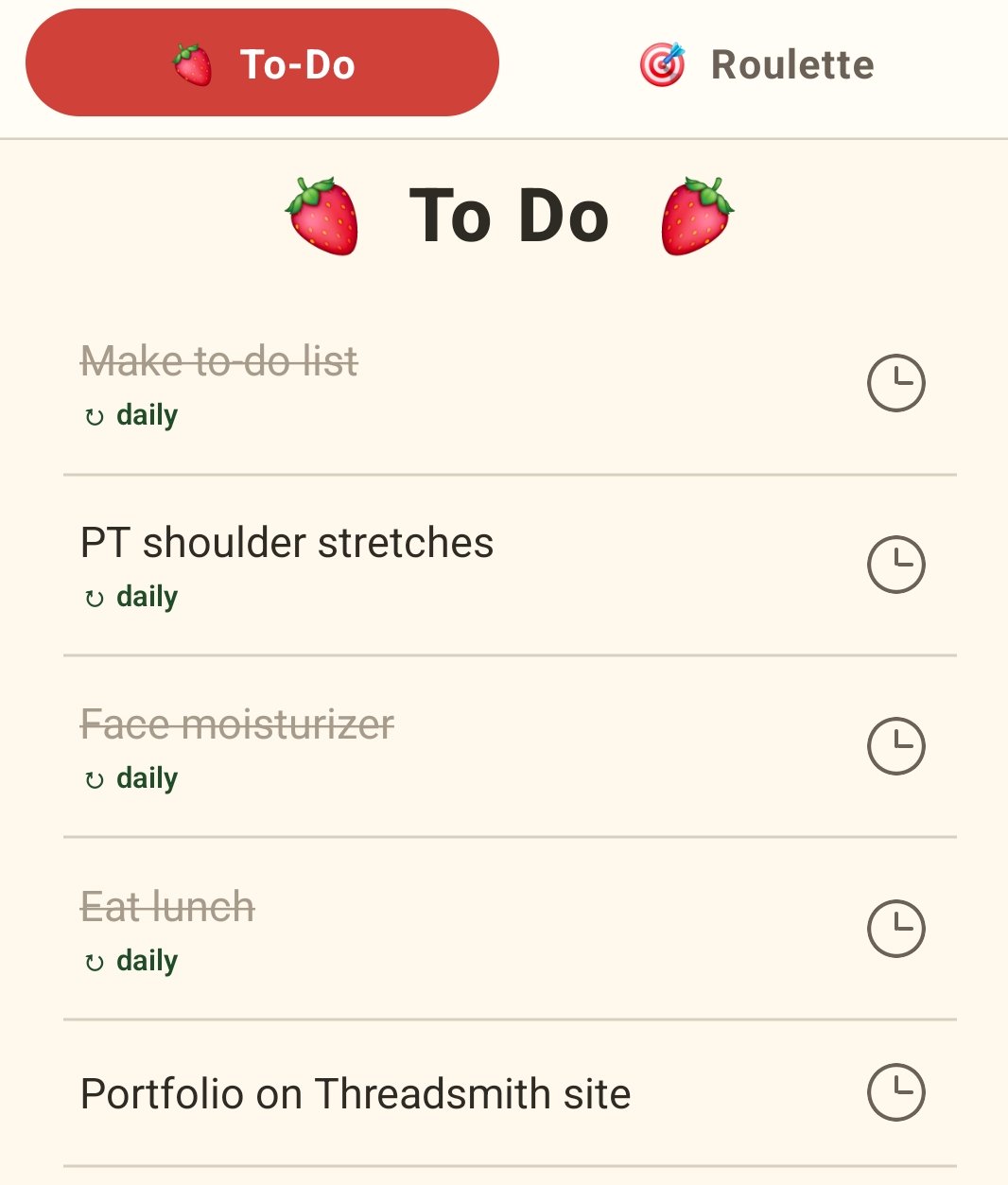
WHAT IS IT? A phone app that handles my to-do list (with recurring daily items, timers for things like laundry and coats of paint, and time tags, so I can confidently say, “The dog got her special cheese at 10:03am”)
WHY DID YOU BUILD IT? As I built out my days and routines, I started realizing my to-do list started with the same 8 or so items, and I kept setting my list down in another room and walking away. I wanted to make my list more portable and keep the recurring things on hand at all times.
HOW DID YOU BUILD IT? I prompted Claude Code. I’m particularly proud of this one because the specificity of my prompt and the level to which I knew precisely what I wanted to build really helped me cut down on the number of back-and-forths I had to do with Claude Code. It took maybe 2 or 3 prompts to have a working prototype, and then from there refining it took part of an evening to get it to the state where I could use it reliably.
Chorelette: Roulette side
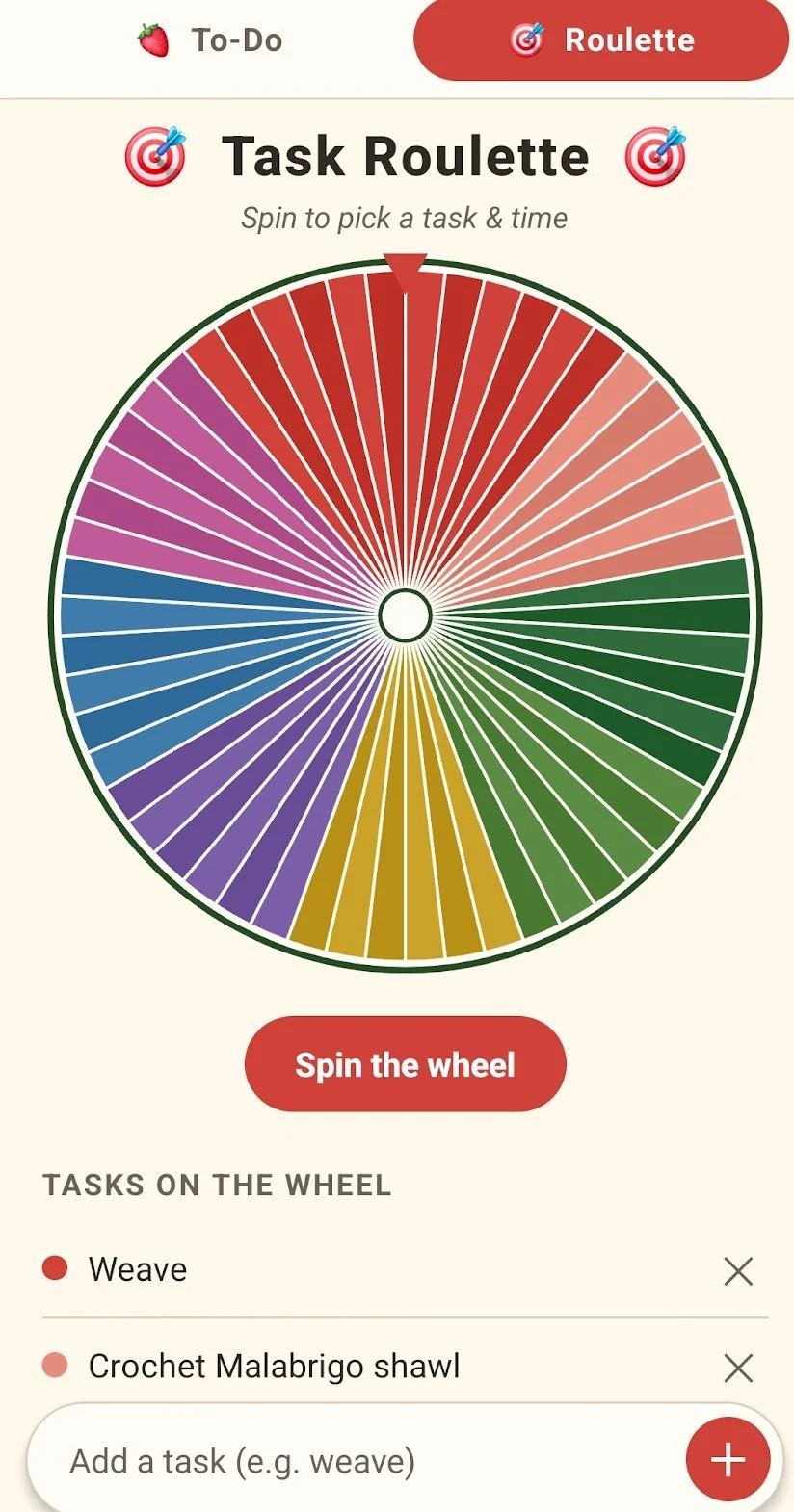
It’s called Chorelette because it’s chore-roulette.
WHAT IS IT? A phone app that handles what I call Task Roulette. I found a really useful way to pick tasks: you write them down on a piece of paper, labeled 1-20, roll a 1d20, and whatever it lands on is the task you do. Then you roll a 1d6 to decide how long you’ll work on it. A 1 is 10 minutes, 2 is 20 minutes, so on, up to 60 minutes.
WHY DID YOU BUILD IT? The list-and-die approach worked, but I was struggling to actually set the timer part of it. I’d pick a task, start working on said task, and then forget I was actually only supposed to do it for 20 minutes. So with the app, every item creates 6 roulette slices: task 10 min, task 20 min, etc etc. I spin the wheel, it tells me the task, and I hit “start task” to auto-create a timer.
HOW DID YOU BUILD IT? I prompted Claude Code. I’m particularly proud of this one because the specificity of my prompt and the level to which I knew precisely what I wanted to build really helped me cut down on the number of back-and-forths I had to do with Claude Code. It took maybe 2 or 3 prompts to have a working prototype, and then from there refining it took part of an evening to get it to the state where I could use it reliably.
WHAT IS IT? A Figma plugin that compresses PDFs.
WHY DID YOU BUILD IT? “Skyler, Figma already exports PDFs”, you say. Yeah, I know, but those PDFS are GIGANTIC. I love Figma, I use it for absolutely everything. I built my resume in Figma, but exporting it resulted in an absolutely massive file that wasn’t accepted by most resume parsing sites. So instead of doing the sane and normal thing and using Pages or some other word processor, I built a Figma plugin to compress my PDF exports.
HOW DID YOU BUILD IT? I prompted Claude Code. This one took a bit to figure out, namely because I had to learn how to even manage plugins in Figma and all of the debugging had to be manually performed by me. I can’t tell you how stoked I was to see the image you see here when the compression worked and the document still looked pixel perfect.

PDF Compressor for Figma
The Georgia Department of Labor Job Tracker Extension
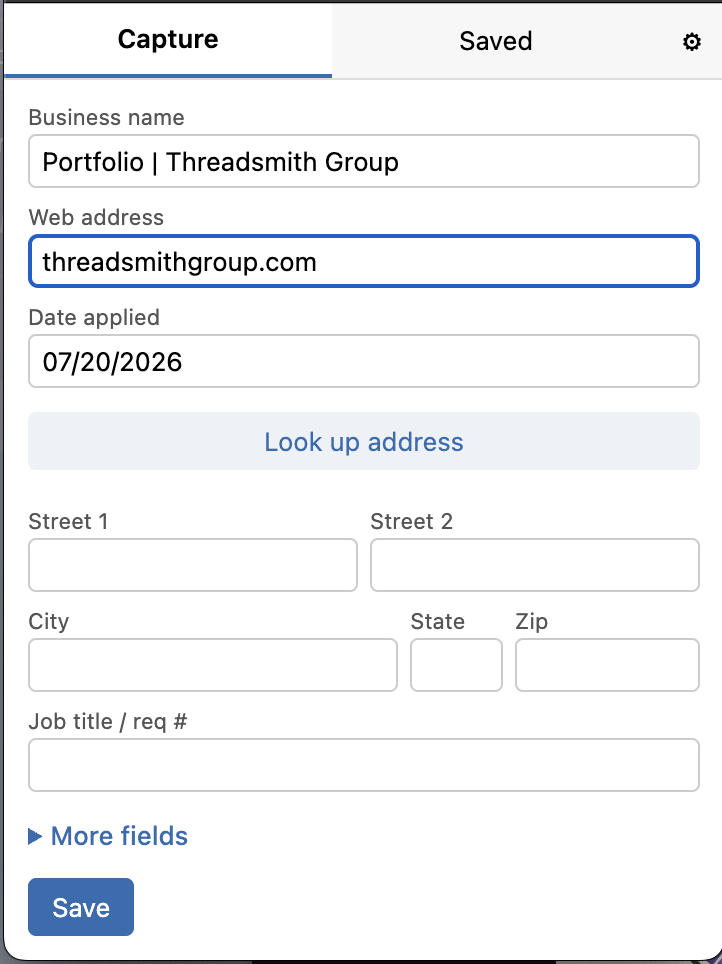
WHAT IS IT? A Chrome extension that lets me apply for a job, save it in the extension (and find the company address via the Places API), and later use that job to fill out the Georgia Department of Labor unemployment form.
WHY DID YOU BUILD IT?Georgia requires anyone on unemployment to log 3 job applications a week into a form that was built probably some time in 1994, and it was making me M I S E R A B L E.
HOW DID YOU BUILD IT? Claude and I built a Chrome extension with two jobs. When I apply somewhere, one click on the confirmation page captures the company, the website, the date, and the mailing address, courtesy of the Google Places API, which was a doozy to get set up. When I open the state form, a panel offers up my saved applications and fills every field, and nothing submits until I have read every line and pressed the button myself.
The toughest, most frustrating part of this process was building out the Places API work. Google does NOT make it easy to set up and lock down the API keys very well, and the billing options leave a lot to be desired.
LinkedIn Post Scheduler
WHAT IS IT?A tool that turns one PDF into weeks of scheduled posts.
WHY DID YOU BUILD IT? LinkedIn's native scheduler makes you click through the same clunky flow for every single post, and I wanted to load a month of content at once instead of babysitting it week by week.
HOW DID YOU BUILD IT?I built a tool that takes one uploaded PDF full of drafts and turns the whole thing into a scheduled queue in a single pass. What used to be an afternoon of clicking is now the time it takes to upload a file. :)
The Domestic Grimoire
WHAT IS IT?A recipe app that pulls everything into one place.
WHY DID YOU BUILD IT?My recipes were scattered everywhere. Notion had some, Pinterest had most of them, and the rest lived in random browser tabs on my phone and my computer that I'd open and never close. Coming up with a recipe or a meal plan meant hunting across four places before I could even start cooking, and that made keeping meals interesting feel like more work than it should.
HOW DID YOU BUILD IT?This was my first AI project, before I had much sense of what I was doing, but I’m really proud of how instantly useful it was to me. Domestic Grimoire pulls recipes from Notion, Pinterest, and my scattered tabs into one searchable place, and lets me build meal plans from what's actually there instead of what I can remember.
This Website
WHAT IS IT?The Threadsmith Group website, and the recursive one on this list, since the page you're reading right now will eventually live on a site I built with AI. It’s on Squarespace right now and I’m frustrated by how little control I have, and how I have to pay if I want Javascript. That’s silly.
WHY DID YOU BUILD IT? I wanted control over how the site is put together, down to the markup, because AI search reads websites differently than people do and the platforms haven't caught up.
HOW DID YOU BUILD IT? Still in progress in Claude Code as we speak. More here once it's live.
The part where this becomes about you
Every project on this page started with me muttering that there had to be a better way, and your company has a PILE of those sentences lying around too. Finding them is the work Threadsmith does.
Tell me what's keeping you up at night. Let’s build something cool.